
WhatsApp: 008615738369680
E-mail: Cathy@chen-jing.cn
WhatsApp: 008615738369680
E-mail: Cathy@chen-jing.cn

The global jewelry landscape in 2026 has reached a definitive tipping point. According to the latest market reports from early 2026, the lab-grown diamond (LGD) sector is no longer just a “disruptor”—it is the dominant force in the bridal and luxury markets. With a projected global market size of $33.54 billion in 2026, the industry is witnessing unprecedented growth and consumer acceptance.
In this data-driven analysis, we break down the key statistics, price trends, and technological shifts that are defining the diamond market this year.
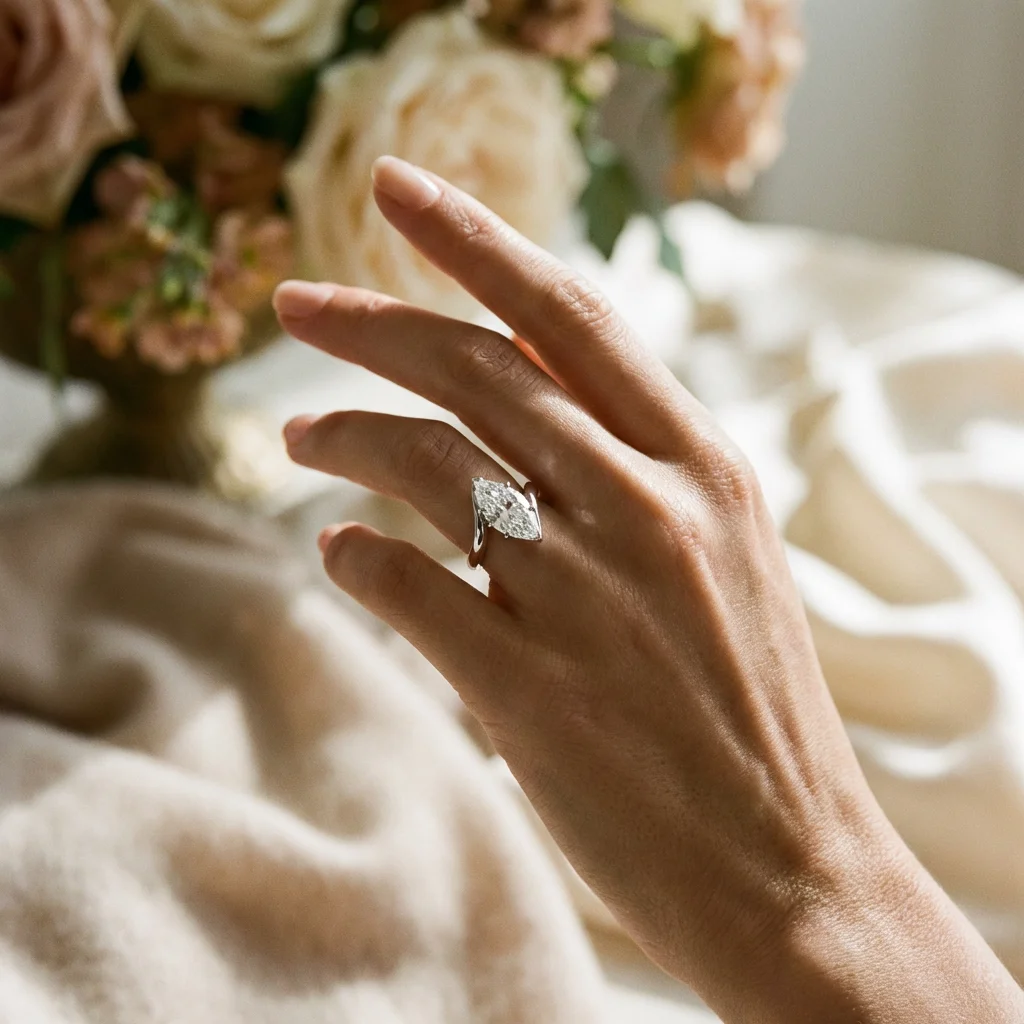
For consumers, the most significant data point of 2026 is the stabilization of pricing. After a period of rapid decline between 2020 and 2024, the average price of a high-quality lab-grown diamond has settled at approximately $892 per carat. This represents a 74% decline in five years, making top-tier brilliance accessible to a wider demographic than ever before.
Today, lab-grown diamonds cost an average of 73% less than their natural counterparts. For example, a 1-carat natural diamond that hovers around $4,200 can be matched in quality by a lab-grown alternative for a fraction of that cost, allowing couples to reallocate their budget toward larger stones or more intricate custom settings.
SEO Keyword Focus: lab grown diamond prices 2026, affordable engagement rings.
The year 2026 marks the first time that lab-grown diamonds have captured over 45% of the US engagement ring market. This shift is driven by a generation of buyers who prioritize “value arbitrage”—the ability to purchase a 3-carat or 4-carat stone for the same price their parents paid for a 1-carat natural stone.
Within this segment, colorless diamonds (D-F grades) remain the kings of the market, accounting for 53.47% of all LGD sales in 2025 and 2026. Consumers are specifically seeking out “Excellent” and “Ideal” cut stones, which offer the highest fire and scintillation.
Technologically, 2026 is the year of refined HPHT (High Pressure High Temperature) and CVD (Chemical Vapor Deposition) processes. While HPHT continues to dominate the production of large, colorless stones, CVD has become the preferred choice for eco-conscious brands due to its lower energy requirements.
Sustainability is no longer a marketing buzzword; it is a market requirement. In 2026, over 60% of top-tier lab-grown diamond manufacturers have transitioned to 100% renewable energy sources, addressing the carbon footprint concerns that previously dogged the industry.
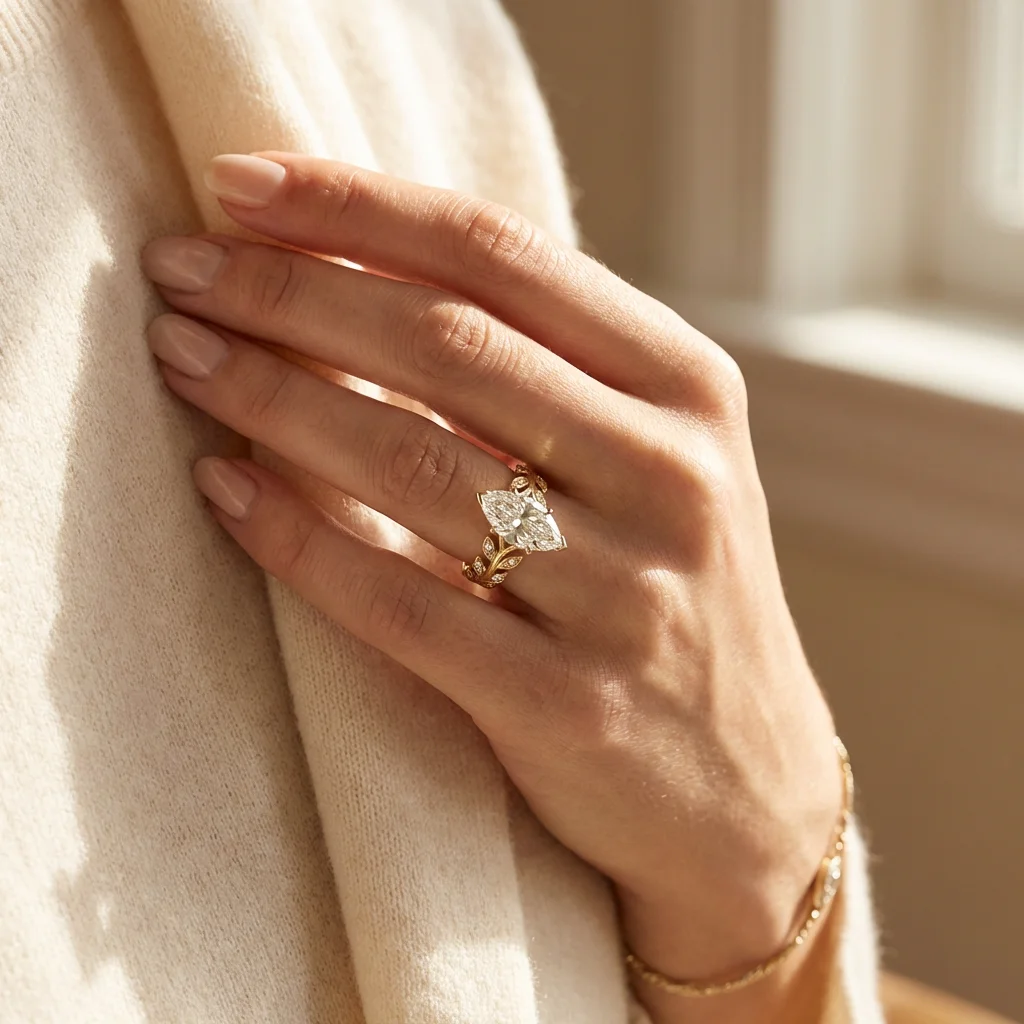
SEO Keyword Focus: HPHT vs CVD diamonds 2026, sustainable lab grown diamonds.
After a turbulent 2024 characterized by pricing pressure, the industry has seen a strong recovery in early 2026. Supply chains have matured, and the rise of “designer-direct” models—like those offered at Chenjing Jewelry—has eliminated unnecessary middlemen, ensuring that the cost savings are passed directly to the consumer.
The data from 2026 is clear: the lab-grown diamond market is resilient, transparent, and overwhelmingly favored by the modern consumer. Whether you are looking for a 3-carat solitaire or a custom-designed masterpiece, the current market offers the perfect balance of ethical luxury and financial intelligence.
At Chenjing Jewelry (cjlgd.com), we curate the finest lab-grown diamonds backed by IGI and GIA certifications. Explore our 2026 trends and find a diamond that reflects your values and your style.
To care for your lab-grown diamond jewelry, clean it regularly with a soft cloth and mild soap. Avoid exposing your jewelry to harsh chemicals or extreme temperatures. Store your pieces in a jewelry box or pouch to prevent scratches and damage.
Lab-made diamonds have the same quality as natural diamonds. They are graded on the same criteria (the 4 Cs: cut, color, clarity, and carat) and can achieve the same levels of brilliance and beauty as natural diamonds.
Lab-grown diamonds are generally more affordable than natural diamonds of comparable quality. This is because the production process for lab-grown diamonds is more efficient and less resource-intensive than mining natural diamonds.
Yes, you can customize a piece of jewelry with a lab-created diamond. Ritani offers customization options for many of our jewelry pieces, allowing you to choose the type of metal, setting, and diamond specifications to create a unique piece.
The benefits of choosing a lab-grown diamond include affordability, ethical sourcing, and environmental sustainability. Lab-grown diamonds offer the same beauty and quality as natural diamonds without the associated ethical and environmental concerns.


